Back to School Foot Health for Kids: Shoe Choices and Prevention Tips
As the back-to-school season approaches, parents are busy preparing their children for the new academic year. Among the many preparations, one crucial aspect often overlooked is foot health. Ensuring that children have proper footwear and addressing potential foot health concerns can significantly affect their comfort and overall well-being. We will explore critical tips for selecting the right shoes and provide practical advice for preventing foot issues as children return to school.
The Importance of Foot Health in Children
Children's feet are still developing, so proper foot care is essential for their growth and overall health. Ill-fitting shoes or neglected foot health can lead to various issues, including pain, discomfort, and long-term problems. Parents must pay attention to their children's foot health to ensure they can participate in school activities comfortably and confidently.
Common Foot Health Concerns in Children
- Flat Feet: Many children have flat feet, which is normal in early childhood. However, persistent flat feet can cause discomfort and may require special attention.
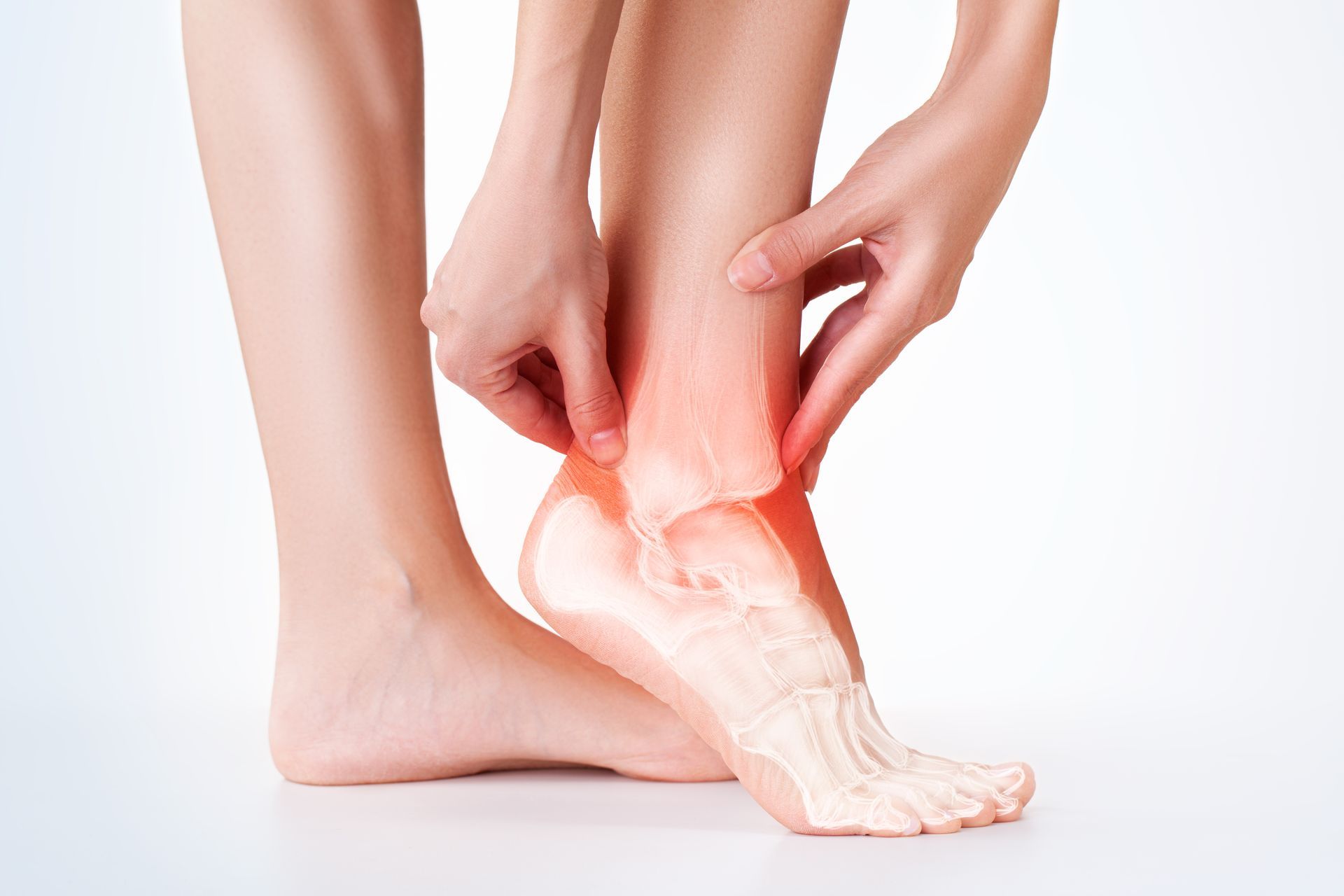
- Heel Pain: Conditions like Sever's disease can cause heel pain in growing children, particularly those involved in sports.
- Ingrown Toenails: Improper nail cutting or tight shoes can lead to painful ingrown toenails.
- Blisters and Calluses: Ill-fitting shoes can cause blisters and calluses, leading to discomfort and potential infections.
- Warts: Plantar warts, caused by a virus, are common in children and can be painful.
Choosing the Right Shoes for Back to School
Selecting the right shoes is one of the most critical steps in ensuring your child's foot health. Here are some tips to help you make the best choice:
1. Measure Your Child's Feet
Children's feet grow rapidly, so measuring their feet regularly is essential. Shoe sizes can vary between brands, so always measure both feet and choose the size that fits the larger foot. It's advisable to shop for shoes when feet are slightly swollen later in the day, ensuring a more accurate fit.
2. Look for Proper Fit
A well-fitting shoe should have about a thumb's width of space between the longest toe and the end of the shoe. The shoe should also be wide enough to accommodate the foot without squeezing. Ensure that the heel fits snugly without slipping.
3. Opt for Quality Materials
Choose shoes made from breathable materials like leather or mesh to prevent moisture buildup and reduce the risk of fungal infections. Avoid plastic or synthetic materials that can cause sweating and discomfort.
4. Supportive Soles
Select shoes with supportive soles that provide adequate cushioning and arch support. Flexible soles that bend at the ball of the foot are ideal, as they allow for natural foot movement.
5. Secure Fastenings
Shoes with secure fastenings, such as Velcro, laces, or straps, help keep the foot in place and prevent slipping. Ensure that the fastenings are easy for your child to manage independently.
6. Avoid Hand-Me-Downs
While it may be tempting to use hand-me-down shoes, it's best to avoid them. Each child's feet are unique, and wearing shoes molded to another child's foot can lead to discomfort and potential foot problems.
Preventing Foot Issues in Children
In addition to choosing the right shoes, parents can take several steps to prevent foot issues in their children as they return to school.
1. Encourage Regular Foot Hygiene
Teach your child the importance of regular foot hygiene. Encourage them to wash their feet daily, dry them thoroughly, and change socks regularly. This helps prevent fungal infections and keeps their feet clean and healthy.
2. Trim Toenails Properly
Cut your child's toenails straight across to prevent ingrown toenails. Avoid cutting nails too short, as this can cause discomfort and increase the risk of ingrown nails.
3. Monitor for Foot Pain
Pay attention to any complaints of foot pain from your child. Persistent pain or discomfort may indicate an underlying issue that needs medical attention. Early intervention can prevent more severe problems.
4. Encourage Physical Activity
Regular physical activity is essential for overall health and helps strengthen foot muscles. Encourage your child to engage in activities like running, jumping, and playing sports, but ensure they wear appropriate footwear to prevent injuries.
5. Inspect Shoes Regularly
Check your child's shoes regularly for signs of wear and tear. Worn-out shoes can lead to discomfort and foot problems. Replace shoes that show significant signs of wear, especially in the soles and heels.
6. Be Mindful of Footwear for Sports
If your child participates in sports, ensure they have sport-specific footwear. Different sports require different types of support and cushioning. Investing in proper athletic shoes can help prevent sports-related foot injuries.
7. Address Foot Abnormalities Early
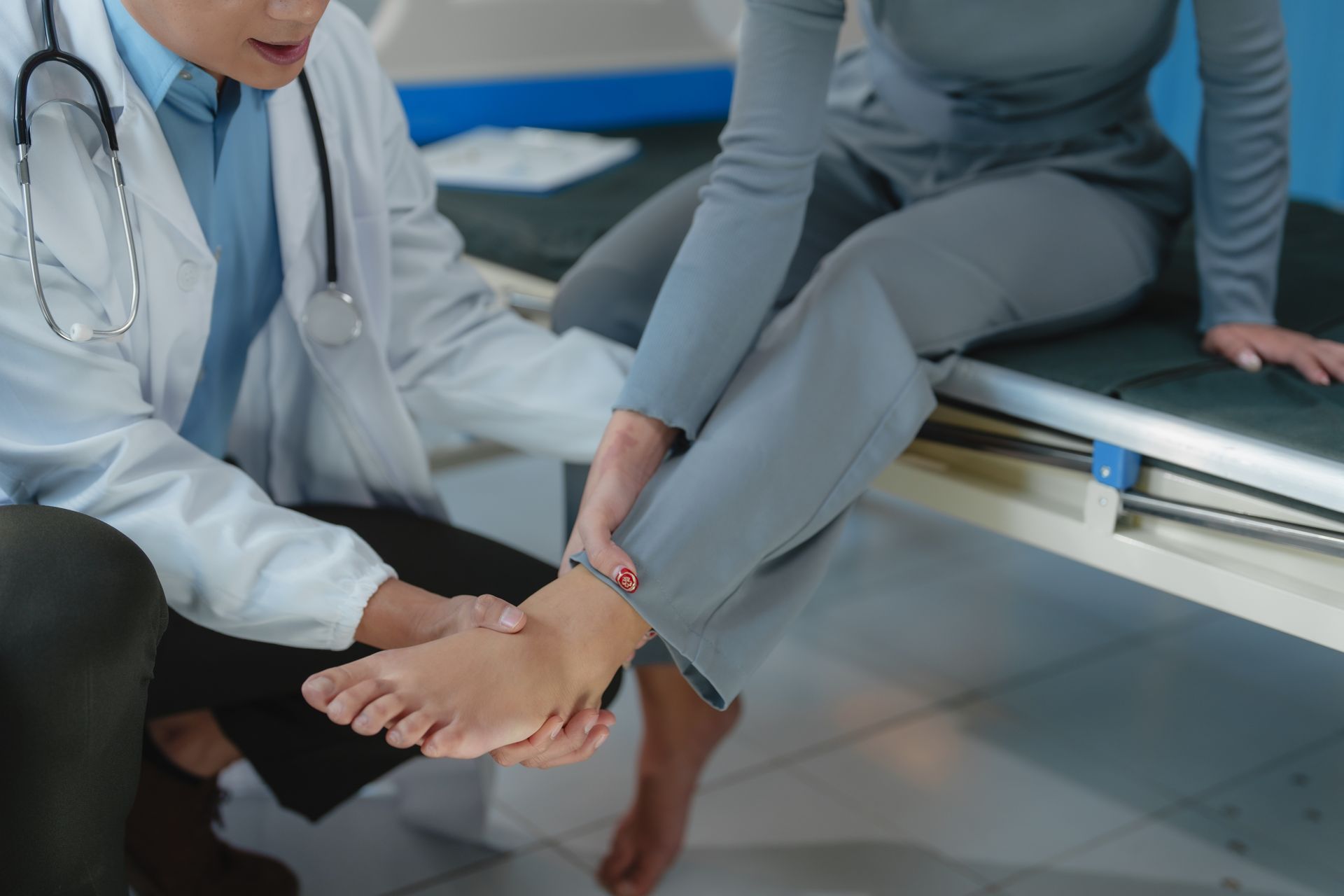
If you notice any abnormalities in your child's feet, such as flat feet, unusual walking patterns, or persistent pain, consult a healthcare professional. Early intervention can prevent long-term issues and ensure proper foot development.
Special Considerations for Different Age Groups
Children's foot health needs can vary depending on their age. Here are some special considerations for different age groups:
Toddlers and Preschoolers
- Barefoot Time: Allow toddlers to spend time barefoot to strengthen their foot muscles and improve balance.
- Flexible Shoes: Choose flexible shoes that mimic the foot's natural movement and provide room for growth.
Elementary School Children
- Active Footwear: Select shoes that can withstand the demands of active play and provide adequate support.
- Regular Checkups: Schedule regular checkups with a pediatrician or podiatrist to monitor foot health and development.
Teenagers
- Fashion vs. Function: While teenagers may prioritize fashion, balancing style with proper support and fit is essential.
- Sports Shoes: Ensure teenagers involved in sports have appropriate footwear to prevent injuries and support performance.
As children return to school, prioritizing their foot health is crucial for their overall well-being and academic success. By choosing the right shoes, encouraging good foot hygiene, and addressing any foot health concerns promptly, parents can help their children stay comfortable, active, and healthy throughout the school year.
At Family Foot & Ankle, we understand the importance of proper foot care for children. Our experienced team is dedicated to providing comprehensive foot health services to ensure your child's feet remain healthy and strong. Contact us today to schedule a consultation and learn more about how we can support your child's foot health as they head back to school.
The information provided on this blog is for general informational purposes only and is not intended as, and should not be considered, medical advice. All information, content, and material available on this blog are for general informational purposes only. Readers are advised to consult with a qualified healthcare professional for medical advice, diagnosis, or treatment. The author and the blog disclaim any liability for the decisions you make based on the information provided. Always seek the advice of your physician or other qualified health provider with any questions you may have regarding a medical condition.