Bunion Pain: Signs It's Time to See a Foot Doctor
Key Points:
- Bunions start small but progressively worsen without treatment
- Early intervention can slow progression and prevent the need for surgery
- Bunion pain isn't something you have to live with
- Professional bunion treatment ranges from conservative to surgical options
- Waiting makes bunions worse and treatment more difficult
- A foot doctor can create a treatment plan that works for your lifestyle
That Bony Bump on Your Toe: When Bunion Pain Becomes a Problem
You first noticed it years ago. A small, bony bump at the base of your big toe. Maybe it was just a cosmetic concern at first, something you tried to hide by choosing different shoes. But over time, things have changed. Your shoe choices are now limited by pain, not just appearance. Finding comfortable shoes feels impossible. You're waking up with foot pain. That bump has gotten bigger, and now your big toe is pushing toward your other toes.
You're dealing with a bunion, and the pain is telling you something: it's time to see a foot doctor.
Many people put off getting professional help for bunions, hoping they'll stop growing or that the pain will magically go away. Others accept bunion pain as just something they have to live with. The truth is, bunions don't get better without treatment, and waiting only makes them worse.
Let's talk about what's really happening with your bunion, when you absolutely should see a foot doctor, and what treatment options can give you relief.
What Exactly Is a Bunion?
A bunion isn't just a callus or a bump you can shave down. It's a structural change in your foot where the bone at the base of your big toe shifts out of alignment. As this bone moves outward, your big toe angles toward your other toes, creating that characteristic bump on the side of your foot.
This isn't just cosmetic. The misalignment creates real problems: pressure on surrounding tissue, difficulty finding shoes that fit, pain with walking, and a progressive condition that worsens over time if untreated.
Why Bunions Develop
Several factors contribute to bunion formation:
Genetics: If your parents had bunions, you probably will too. Foot structure and biomechanics are inherited.
Foot Mechanics: Some people have naturally loose ligaments or biomechanical issues that cause their feet to function abnormally, leading to bunion development.
Footwear: High heels and tight shoes don't cause bunions, but they can accelerate growth and worsen pain in someone genetically prone to them.
Age: Bunions develop and worsen over time. The longer you have them, the more likely they are to cause significant problems.
Inflammatory Conditions: Certain conditions like rheumatoid arthritis can contribute to bunion formation.
The Progressive Nature of Bunions
Here's what you need to understand: bunions don't stay the same. They progress. That small bump that barely bothered you five years ago might now be causing significant pain and making it nearly impossible to find comfortable shoes. Without treatment, this progression continues.
Clear Warning Signs You Need to See a Foot Doctor
Not every foot concern requires immediate professional attention, but bunions are different. Once they start, they're not going away on their own. Here are the signs that it's time to see a podiatrist in Ocala, FL.
You Have Visible Bunion Growth
If you've noticed your bunion is getting bigger, that's a clear sign you need professional evaluation. Growth indicates progression, and progression means the problem is getting worse. Early intervention can slow or halt growth, while waiting typically means more severe deformity over time.
What to do: Schedule an appointment with a foot doctor to discuss treatment options. Early treatment is always easier and more successful than treating advanced bunions.
Bunion Pain Is Affecting Your Shoe Choices
When your bunion pain limits which shoes you can wear, that's a sign you need treatment. You shouldn't have to choose between comfortable shoes and professional appearance. You shouldn't have to avoid activities because you can't find shoes that don't aggravate your bunion.
What to do: See a foot doctor to explore treatment options. Conservative treatments or custom orthotics can often expand your shoe options without requiring surgery.
Pain During Daily Activities
If your bunion causes pain while walking, standing, or doing activities you enjoy, professional treatment can help. Pain is your body's signal that something isn't right, and bunion pain is treatable.
What to do: Don't accept foot pain as normal. Call Family Foot & Ankle at (352) 867-0024 to discuss options for pain relief.
Morning Stiffness or Pain
Do you wake up with foot pain or stiffness that takes time to improve? Bunion-related pain often accompanies morning stiffness as fluid settles in your joints overnight.
What to do: Morning pain is worth professional evaluation. There are treatments that can help.
Redness, Swelling, or Warmth
If your bunion area is red, swollen, warm, or irritated, this indicates inflammation. Inflammation causes pain and accelerates degeneration. Professional treatment can address inflammation and provide relief.
What to do: Schedule an appointment soon. Persistent inflammation needs to be managed.
Your Big Toe Is Pushing Other Toes Out of Place
As your big toe angles more severely toward your other toes, it can cause crowding and pressure on your second toe. This can lead to hammertoes, corns, and additional problems.
What to do: The more advanced your bunion becomes, the more complex treatment becomes. See a foot doctor now before secondary problems develop.
You're Developing Arthritis in Your Big Toe Joint
Bunions cause abnormal stress on the joint where your big toe meets your foot. Over time, this leads to arthritis, which causes additional pain
and limits mobility.
What to do: Professional treatment can help preserve joint function and slow arthritis progression.
Bunion Pain Is Affecting Your Quality of Life
If your bunion is keeping you from activities you love, limiting your exercise, affecting your work, or simply making you miserable, that's reason enough to seek professional help. You shouldn't have to sacrifice your quality of life because of foot pain.
What to do: Call Family Foot & Ankle to discuss how we can help improve your life.
What Happens If You Ignore Bunion Pain
Understanding the consequences of ignoring bunions might motivate you to seek treatment:
The Bunion Gets Bigger and More Painful
Bunions are progressive. Without treatment, they steadily worsen. That mild bump becomes a significant deformity. Pain that was manageable becomes severe.
You Develop Secondary Problems
As your big toe angles more severely, it creates crowding and pressure on surrounding toes. Hammertoes, corns, and additional bunions can develop. What started as one foot problem becomes multiple problems.
Arthritis Develops
The abnormal biomechanics caused by bunions accelerate arthritis in your big toe joint. Once arthritis develops, it's permanent. Treatment can slow progression but can't reverse the damage.
Your Options Become Limited
Early bunion treatment offers conservative options like orthotics, special exercises, and protective padding. Advanced bunions often require surgery. When you wait, you eliminate the easier treatment options.
Surgery Becomes More Necessary
If you wait until your bunion is severe, surgery becomes almost unavoidable. If you seek treatment early, surgery might never be necessary. Waiting doesn't help you avoid surgery; it often makes surgery more likely.
You Suffer Unnecessarily
Most importantly, you suffer needlessly. Bunion pain is treatable. There's no reason to live with pain that professional treatment can address.
Treatment Options: From Conservative to Surgical
Here's good news: bunions have multiple treatment options. Early bunions often respond well to conservative care. Only advanced bunions typically require surgery.
Conservative Treatment Options
Proper Footwear
Wearing shoes with a wide toe box, good arch support, and minimal heel height significantly reduces bunion pain. Many people find this simple change makes a dramatic difference.
Custom Orthotics
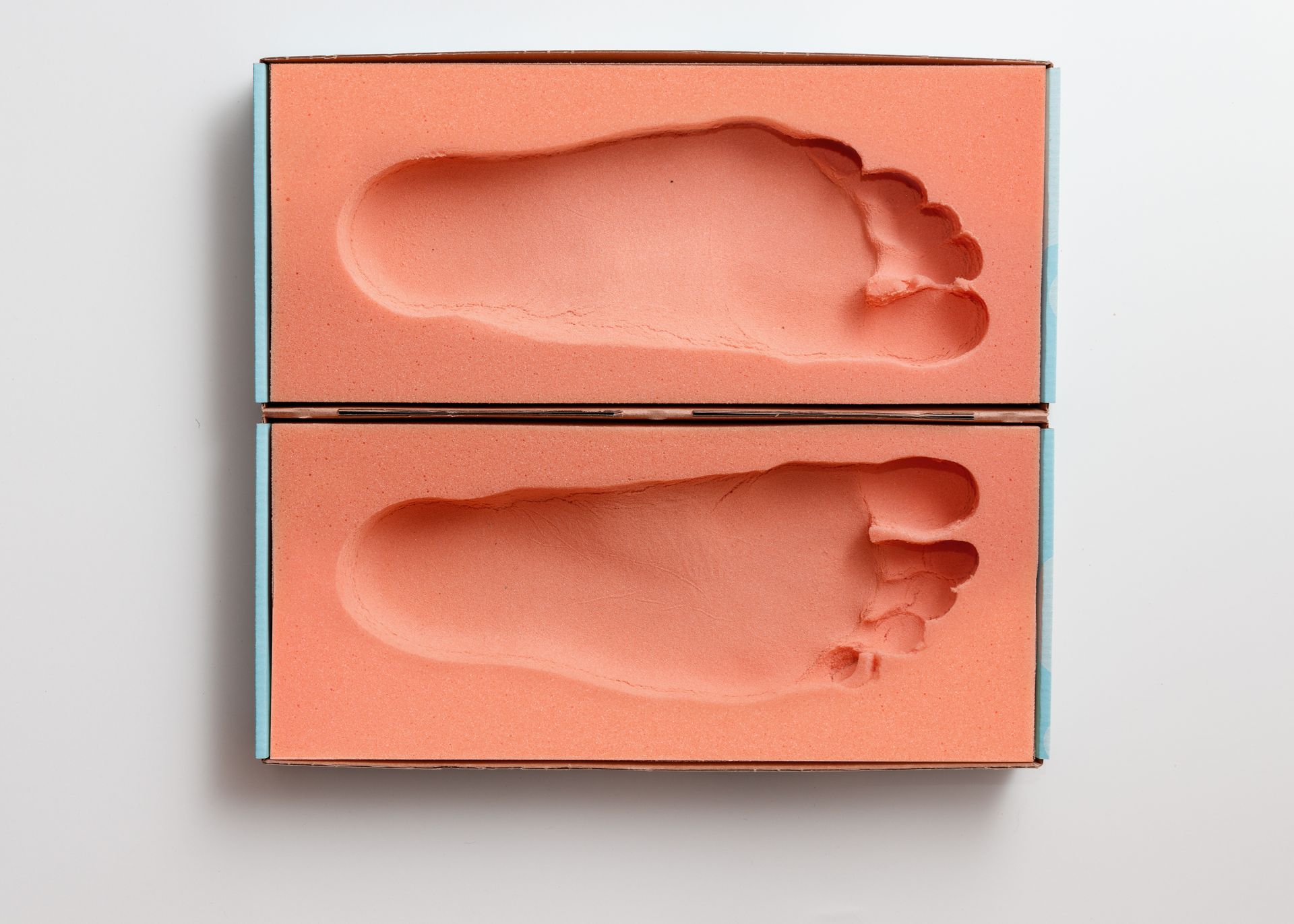
Custom orthotics are specially designed shoe inserts that correct biomechanical problems causing your bunion. By normalizing how your foot functions, orthotics can slow bunion progression and reduce pain.
Protective Padding
Bunion pads and protective cushioning reduce pressure and pain by creating a barrier between your bunion and your shoe.
Anti-Inflammatory Measures
Ice, elevation, and anti-inflammatory medications help manage pain and swelling.
Stretching and Exercises
Specific foot exercises can help maintain flexibility and slow progression. Your podiatrist can teach you exercises appropriate for your situation.
Activity Modification
Avoiding activities that aggravate your bunion helps manage pain while pursuing treatment.
When Conservative Treatment Works Best
Conservative treatment is most successful when:
- Your bunion is caught early, before significant deformity develops
- You're compliant with wearing proper footwear and orthotics
- You address it before arthritis develops
- Your bunion pain is manageable without surgery
For many people, conservative treatment provides sufficient relief to maintain their desired activity level and quality of life.
Surgical Treatment
When conservative treatment doesn't provide adequate relief or when your bunion is severely advanced, surgery becomes an option.
Why Surgery Might Be Recommended:
- Severe pain that interferes with daily activities despite conservative treatment
- Significant deformity that limits your shoe options
- Failure of conservative treatment after 6-12 months
- Arthritis development affecting your joint
- Your desire to eliminate the bunion permanently
What Surgery Involves:
Bunion surgery typically involves realigning the bones of your foot to correct the deformity. The specific procedure depends on the severity of your bunion and your individual anatomy. Most procedures are performed as outpatient surgery, and recovery takes several weeks to a few months depending on the specific procedure.
The goal is to eliminate your bunion, relieve pain, and restore normal foot function.
What to Expect at Your Bunion Appointment
If you've never seen a foot doctor for your bunion, here's what happens:
The Examination
We'll examine your feet carefully, assess the severity of your bunion, observe how you walk, and check for any secondary problems like hammertoes or arthritis.
Imaging
We'll likely take X-rays to see the underlying bone structure and assess how severe the deformity is. This helps us determine what treatment options will work best for you.
Discussion of Your Concerns
We'll talk about your pain level, how your bunion affects your life, what activities are limited, and what your goals are for treatment.
Treatment Recommendations
Based on your examination and your goals, we'll recommend a treatment plan. For early bunions, this usually includes conservative options. For advanced bunions or those causing significant pain, we might discuss surgical options.
Clear Next Steps
We'll explain what you need to do, provide any necessary prescriptions or orthotics, and schedule follow-up care.
Prevention: Keeping Bunions From Getting Worse
While you can't completely prevent bunions if you're genetically predisposed, you can slow their progression and minimize pain:
Wear Proper Footwear
Choose shoes with:
- Wide toe box
- Good arch support
- Cushioning and shock absorption
- Low to moderate heel height
- Avoid high heels and tight shoes
Maintain a Healthy Weight
Extra weight puts additional stress on your feet and accelerates bunion progression.
Stay Active in Foot-Friendly Ways
Exercise is important, but choose low-impact activities like swimming or walking rather than high-impact activities that stress your feet.
Get Early Treatment
The sooner you address bunion pain, the better your outcomes and the more treatment options you have.
Wear Custom Orthotics
If recommended, consistent use of custom orthotics can slow or halt bunion progression.
Protect Your Feet
Avoid trauma and injury to your feet. Protect them during activities that might stress them.
Don't Wait: Early Treatment Changes Everything
Here's the most important thing to understand about bunions: they don't get better with time. They get worse. The only variable is how fast they progress and how much pain they cause.
Waiting doesn't help. It doesn't prevent surgery. It doesn't slow progression. It only makes your bunion worse and limits your treatment options.
If you're experiencing bunion pain, have noticed growth, or are struggling with shoe choices because of your bunion, now is the time to seek professional help. Early intervention offers the best outcomes and the best chance of managing your bunion without surgery.
At Family Foot & Ankle in Ocala, our board-certified podiatrists, Dr. Sheila Noroozi and Dr. Shabana Ali, have extensive experience treating bunions. We'll evaluate your specific situation and recommend a treatment plan tailored to your needs and goals.
Whether your bunion is mild and just beginning to cause pain, or advanced and affecting your quality of life, we can help. We'll explain all your options and work with you to find the best solution.
Stop accepting bunion pain as inevitable. Stop limiting your life because of foot pain. Stop putting off treatment hoping things will improve.
Call Family Foot & Ankle today at (352) 867-0024 or
schedule your appointment online. Let's address your bunion before it becomes a bigger problem. Relief and normal foot function are within reach.
FAQs About Bunion Pain
Can bunions go away on their own?
No. Bunions don't resolve without treatment. They're a structural change in your foot that remains and typically worsens over time. However, early treatment can slow progression and prevent the need for surgery. Conservative treatments can manage pain and limit growth.
At what point does a bunion require surgery?
Surgery is considered when conservative treatment doesn't provide adequate pain relief, when deformity becomes severe, when it limits your activities, or when arthritis develops. Most bunions can be managed without surgery if treated early. The more advanced your bunion becomes, the more likely surgery becomes necessary.
Will my bunion come back after surgery?
Bunion recurrence is possible but not common with modern surgical techniques. Your surgeon uses specific procedures designed to minimize recurrence risk. Following post-operative instructions and wearing proper footwear reduces recurrence risk even further.
How long does bunion surgery recovery take?
Recovery varies depending on the specific procedure performed. Most patients can bear weight on their foot within days to weeks. Returning to full activity and normal footwear typically takes 6-12 weeks. Your podiatrist will provide specific timeline information for your particular surgery.
Can I avoid bunion surgery with proper footwear and orthotics?
Many people successfully manage bunion pain with conservative treatments and never need surgery. However, this depends on how severe your bunion is and how much pain you have. Early bunions respond particularly well to conservative care. Advanced bunions with severe pain or deformity might require surgery despite conservative efforts.
Is bunion surgery painful?
Modern bunion surgery is performed with anesthesia, so you don't feel pain during the procedure. After surgery, you experience some soreness and discomfort, which is managed with pain medication. Most patients report that post-operative discomfort is manageable and worthwhile for the pain relief surgery provides.
How can I prevent bunions from developing?
If you're genetically predisposed to bunions, you can't completely prevent them. However, wearing proper footwear with adequate toe room, maintaining a healthy weight, and avoiding activities that stress your feet can slow development. If bunions run in your family, watch your feet for early signs and seek treatment promptly if you notice development.
FAQs About Family Foot & Ankle
What bunion treatment options does Family Foot & Ankle offer?
We offer comprehensive bunion care from conservative treatment including proper footwear recommendations and custom orthotics to surgical options when needed. We always start with conservative treatments when appropriate and only recommend surgery when necessary or when conservative care hasn't provided adequate relief.
Do you perform bunion surgery?
Yes, our board-certified podiatrists perform bunion surgery. We use modern surgical techniques and have excellent outcomes. However, we believe in conservative treatment first and only recommend surgery when it's truly the best option for your situation.
How much does bunion treatment cost?
Costs vary depending on the treatment recommended. Conservative care with custom orthotics is generally less expensive than surgery. Most insurance covers bunion treatment. Call (352) 867-0024 and our staff will verify your coverage and explain costs before treatment begins.
Will custom orthotics help my bunion pain?
Many patients experience significant pain reduction with custom orthotics. Orthotics work by correcting the biomechanical issues that contribute to bunion development and pain. The effectiveness varies depending on how severe your bunion is and how consistently you wear the orthotics.
How long does a bunion consultation take?
Your initial appointment, including examination, X-rays if needed, and treatment discussion, typically takes 30-45 minutes. We take time to understand your situation thoroughly and explain all your options.
Do you offer same-day appointments for severe bunion pain?
We try to accommodate patients with urgent foot pain. Call (352) 867-0024 and let us know about your situation. If same-day isn't possible, we'll get you in as quickly as we can.
FAQs About Family Foot & Ankle's Services
What other services does Family Foot & Ankle provide?
Beyond ingrown toenail treatment, we offer comprehensive care for all foot and ankle conditions including heel pain, bunions, hammertoes, sprains, fractures, diabetic foot care, fungal infections, sports injuries, custom orthotics, and much more. View our full list of services and conditions we treat.
Are your podiatrists board-certified?
Yes! Both Dr. Sheila Noroozi and Dr. Shabana Ali are board-certified podiatrists with extensive training and experience in all aspects of foot and ankle care, including bunion surgery.
Do you have X-ray equipment in your office?
Yes! We have digital X-ray capabilities right in our office, which means we can diagnose your bunion and assess its severity during your first visit without sending you elsewhere for imaging.
What are your office hours?
Monday through Friday, 8:00 AM to 4:30 PM. Closed weekends. Call (352) 867-0024 to schedule your appointment.
Do you accept insurance?
Yes, we accept most major insurance plans. Our staff will verify your coverage and explain your costs before treatment begins.
Stop Living With Bunion Pain
Your bunion won't get better on its own, but professional treatment can help. Don't wait for your bunion to become severe and painful. Contact Family Foot & Ankle today at (352) 867-0024 or
book your appointment online. Our experienced podiatrists in Ocala are ready to help you find relief and get back to comfortable, pain-free living!
Disclaimer: The information provided on this blog is for general informational purposes only and is not intended as, and should not be considered, medical advice. All information, content, and material available on this blog are for general informational purposes only. Readers are advised to consult with a qualified healthcare professional for medical advice, diagnosis, or treatment. The author and the blog disclaim any liability for the decisions you make based on the information provided. Always seek the advice of your physician or other qualified health provider with any questions you may have regarding a medical condition.