Ingrown Toenail Treatment: When Home Care Isn't Enough
Key Points:
- Ingrown toenails are painful but easily treatable when caught early
- Home remedies work for mild cases but don't cure the underlying problem
- Professional treatment is quick, painless, and prevents recurrence
- Ignoring ingrown toenails can lead to serious infections
- Podiatrists can permanently solve ingrown toenails with minor procedures
- Proper nail trimming and footwear prevent future ingrown toenails
The Ingrown Toenail Dilemma: Why It Hurts So Much
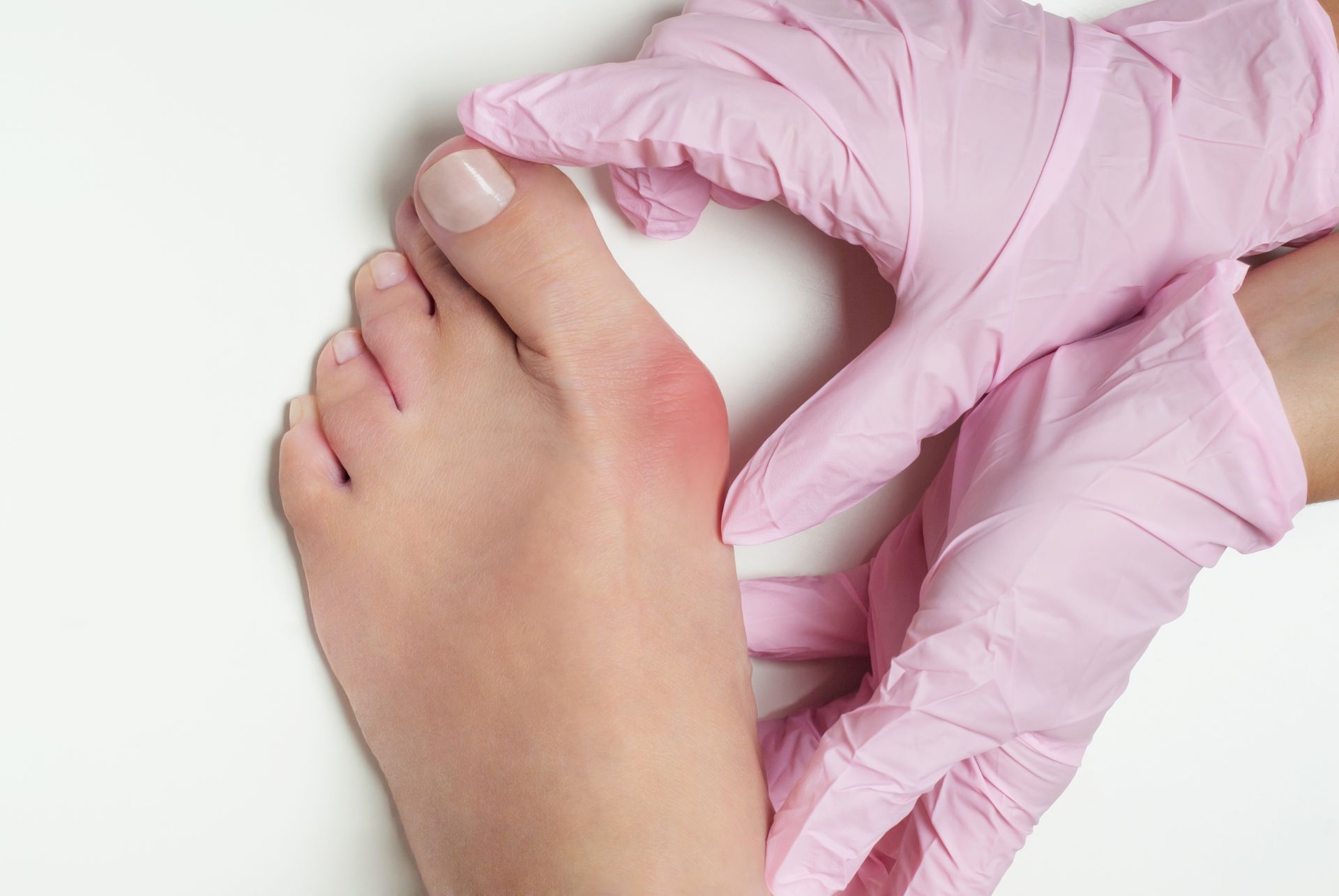
Your big toe throbs. The skin around the toenail is red, swollen, and tender. You can barely fit your foot in a shoe, and walking is miserable. You've got an ingrown toenail, and you're wondering if you can just treat it at home or if you need to see a doctor.
An ingrown toenail occurs when the edge or corner of your toenail grows into the soft tissue beside the nail. This creates a painful situation where every step puts pressure on the inflamed area. The wound can become infected, making the pain even worse.
Many people try home remedies first, hoping the problem will resolve on its own. Sometimes home care helps, but often it doesn't. That's when professional treatment becomes necessary. Let's explore what works, what doesn't, and when you absolutely need to see a podiatrist.
Why Do Ingrown Toenails Happen?
Understanding how ingrown toenails develop helps you prevent them in the future.
Poor Nail Trimming
The most common cause is cutting your toenails incorrectly. When you cut toenails curved or too short at the edges, the skin can grow over the nail edge. This traps the nail and causes it to dig into the flesh as it grows.
Tight Footwear
Shoes that are too tight or have a narrow toe box put pressure on your toenails, forcing them into the surrounding tissue. High heels are particularly problematic, as they crowd your toes together.
Foot Injuries or Repeated Trauma
Stubbing your toe, dropping something on your foot, or playing sports that stress your toes can damage the nail or cause it to grow abnormally.
Genetics
Some people are simply born with curved toenails or a foot structure that makes ingrown toenails more likely. If your parents had them, you probably will too.
Fungal or Bacterial Infections
Thick, distorted nails from fungal infections are more likely to become ingrown. Bacteria can also cause inflammation that leads to ingrown nails.
Certain Conditions
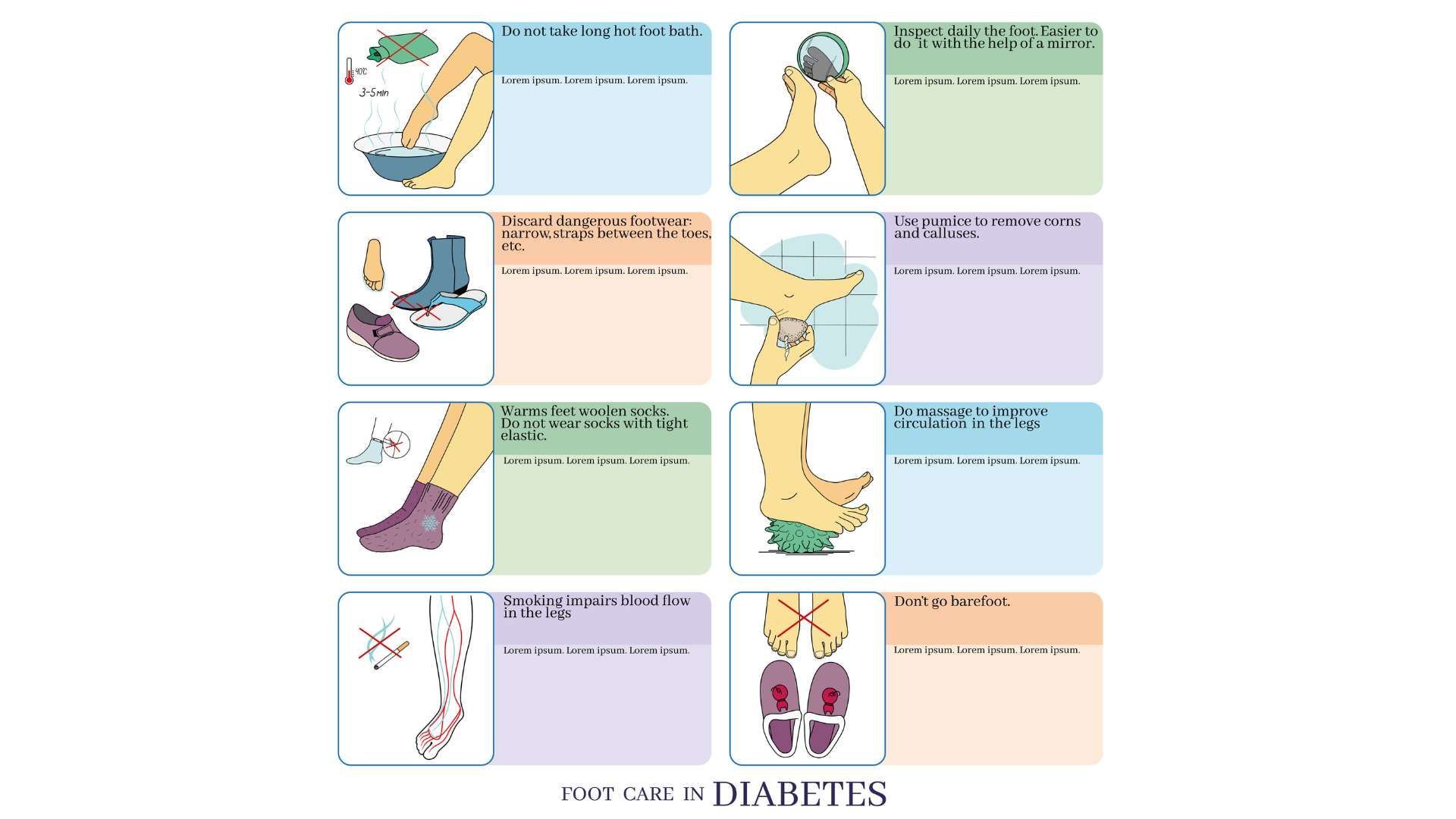
Conditions like diabetes, arthritis, or circulation problems increase your risk of ingrown toenails and make them more serious when they occur.
Home Remedies: What Actually Works (And What Doesn't)
Before we talk about professional treatment, let's be honest about home remedies. Some provide temporary relief, but they don't cure ingrown toenails. Here's what you should know.
Home Remedies That May Help Temporarily
Soaking in Warm Water
Soaking your foot in warm water with Epsom salt can soften the skin and provide temporary relief. Do this 2-3 times daily for 15-20 minutes. This might reduce inflammation and help you manage pain while waiting for a professional appointment.
Proper Nail Trimming
Once inflammation decreases, trim your nail straight across, not curved. Don't cut it too short. This prevents the nail from digging into the surrounding tissue as it grows. However, if the nail is already ingrown, careful trimming won't fix it.
Antibiotic Ointment
If there are signs of infection, apply antibiotic ointment and cover with a clean bandage. This prevents bacteria from worsening the infection but doesn't solve the underlying problem.
Pain Relief
Over-the-counter pain medication like ibuprofen reduces pain and inflammation temporarily, making you more comfortable while you wait for professional care.
Loose Footwear
Wearing sandals or loose shoes while your toe heals reduces pressure and pain. However, once you return to normal shoes, the problem often returns.
What Home Remedies Cannot Do
Here's the critical truth: home remedies cannot permanently fix an ingrown toenail. They might reduce pain and swelling temporarily, but the nail will continue to grow, and the problem will return once inflammation subsides. This is why many people have recurrent ingrown toenails despite repeated home treatment attempts.
The only way to permanently solve an ingrown toenail is professional treatment that addresses the root of the problem: the nail edge growing into the tissue.
When to Try Home Care
Home care is reasonable to try if you have a mild ingrown toenail that hasn't become infected. Signs it might resolve with home care include:
- Mild pain and swelling
- No pus or discharge
- No fever
- The problem just started
- The skin isn't broken open
Try home remedies for 3-5 days. If pain improves and redness decreases, you're on the right track. However, if the problem doesn't improve or worsens, stop trying home remedies and see a podiatrist.
Clear Signs You Need Professional Treatment
Some situations require immediate professional care. Don't waste time with home remedies if you have any of these signs.
Signs of Infection
If you notice pus, drainage, or increased warmth around your toe, your ingrown toenail has become infected. Infected ingrown toenails need professional treatment to prevent the infection from spreading. This is especially critical if you have diabetes or circulation problems.
What to do: Call Family Foot & Ankle at (352) 867-0024 for an urgent appointment. Don't try to treat an infected ingrown toenail at home.
Severe Pain
If the pain is severe, making it difficult to walk or function, you need professional relief. There's no reason to suffer when simple professional treatment can eliminate the pain.
What to do: Schedule an appointment as soon as possible. Relief is just a professional visit away.
Fever
A fever along with an ingrown toenail indicates a serious infection that needs antibiotic treatment and professional wound care.
What to do: Seek immediate medical attention. Call (352) 867-0024 or go to an emergency room if you have fever and foot pain.
You Have Diabetes or Circulation Problems
If you have diabetes, poor circulation, or other conditions affecting your feet, even a mild ingrown toenail needs professional care. These conditions make infections serious and harder to treat.
What to do: Contact your podiatrist for evaluation. Don't attempt home treatment.
Recurrent Ingrown Toenails
If you've had this problem before and it keeps coming back, home care obviously isn't working long-term. Professional treatment can provide permanent or long-lasting relief.
What to do: See a podiatrist for a permanent solution. Repeated problems deserve a real fix.
Home Care Hasn't Worked After 5-7 Days
If you've tried soaking, careful nail trimming, and antibiotics for a week without improvement, it's time for professional help. Some ingrown toenails simply won't resolve without intervention.
What to do: Schedule a professional appointment. There's no point continuing home care that isn't working.
Professional Ingrown Toenail Treatment Options
At Family Foot & Ankle, we offer several treatment approaches depending on your situation.
Conservative Office Procedures
For mild to moderate ingrown toenails that haven't become severely infected, we can perform simple in-office procedures that provide relief without removing the entire nail.
Nail Trimming and Lifting
We carefully trim away the ingrown portion of the nail and lift the remaining nail to separate it from the irritated tissue. This provides immediate relief and allows healing to begin. We apply medication to prevent infection.
Antibiotic Treatment
We may apply antibiotic ointment and bandage the toe properly to prevent re-irritation while it heals.
This approach works well for early ingrown toenails and has minimal discomfort.
Partial Nail Removal
For more severe or recurrent cases, we remove the ingrown portion of the nail permanently using a technique that prevents the removed portion from ever growing back.
How it works:
- We apply a local anesthetic to numb your toe (you'll feel pressure but no pain)
- We carefully remove the problematic edge of the nail
- We apply a chemical treatment to prevent that section from ever regrowing
- The procedure takes about 15-20 minutes
- You experience minimal discomfort during or after the procedure
Recovery:
- You can walk normally almost immediately
- Wear loose shoes for a few days
- Keep the toe clean and dry
- Return to normal activities within a few days
- The toe heals completely within 2-3 weeks
This procedure has excellent success rates and prevents recurrence of the ingrown toenail on that side.
Complete Nail Removal (Rare)
In very rare cases where the entire nail is infected or damaged, we remove the entire nail. This is uncommon and reserved for severe situations.
What to Expect During Your Appointment
If you're nervous about seeing a podiatrist for an ingrown toenail, here's what actually happens.
The Exam
We'll examine your toe, assess how severe the ingrown nail is, and check for signs of infection. We'll ask about when the problem started, what you've tried, and whether this is recurring.
Numbing (If Needed)
If we're performing a procedure, we'll apply a local anesthetic to numb your toe. You'll feel the injection briefly, but then the area is completely numb. Many patients are surprised by how minimal the discomfort is.
The Procedure
Depending on your situation, we'll either trim and lift the nail, remove the ingrown portion permanently, or provide other treatment. You'll feel pressure and movement but no pain.
Aftercare Instructions
We'll give you detailed instructions on keeping your toe clean and dry, when you can return to normal activities, and how to prevent future ingrown toenails.
Prevention: Keeping Ingrown Toenails Away
Once you've dealt with an ingrown toenail, you don't want it to happen again. These strategies help prevent recurrence.
Proper Nail Trimming
This is the most important prevention strategy:
- Trim toenails straight across, not curved
- Don't cut them too short
- Use sharp nail clippers
- File any rough edges
- Trim after soaking your feet to soften nails
- Don't try to dig out ingrown portions yourself
If your nails are thick or difficult to trim, have a podiatrist do it for you. Professional nail care is worth the small cost to prevent ingrown toenails.
Wear Properly Fitting Shoes
Choose shoes that fit well with adequate toe room. Your shoes should have:
- About a thumb's width of space between your longest toe and the end
- A wide enough toe box that doesn't squeeze your toes
- Good arch support
- Comfortable heel height (not too high)
Avoid tight socks and stockings that constrict your feet.
Protect Your Toes
Avoid stubbing or injuring your toenails. Be careful around furniture, use closed-toe shoes when appropriate, and protect your feet during activities that might cause trauma.
Don't Ignore Early Signs
If you notice redness, swelling, or the nail starting to curl into the tissue, address it immediately. Early intervention prevents minor problems from becoming serious ones.
See Your Podiatrist Regularly
If you're prone to ingrown toenails, regular professional nail care helps prevent problems. Your podiatrist can trim your nails properly and catch early signs of ingrown toenails before they become painful.
Special Situations
If You Have Diabetes
With diabetes, even a mild ingrown toenail needs professional care. Diabetes increases infection risk and makes infections more serious. Don't try home treatment. See a podiatrist promptly.
If You're Prone to Ingrown Toenails
If you have thick, curved, or abnormally shaped toenails, you're at higher risk for recurring ingrown toenails. Professional treatment that permanently removes the ingrown portion might be the best long-term solution for you.
If You're a Healthcare Worker or Athlete
Professions and activities that put stress on your feet increase ingrown toenail risk. Regular professional nail care and proper footwear help prevent problems.
Why Professional Treatment Is Worth It
You might be thinking: "Can't I just tough this out at home?" Here's why professional treatment is worth your time and money:
Quick Relief: Home remedies take days or weeks. Professional treatment provides relief in about 15-20 minutes.
Permanent Solution: Professional treatment actually solves the problem, not just temporarily relieves symptoms.
Prevents Infection: Professional care prevents minor ingrown toenails from becoming serious infections.
Prevents Recurrence: If your ingrown toenail is recurrent, professional treatment can make the problem go away permanently.
Minimal Cost: Most insurance covers ingrown toenail treatment. The cost is minimal compared to dealing with repeated infections.
You Can Walk: You're not stuck in pain waiting for something to heal. You can return to normal activities almost immediately.
Don't Live With Ingrown Toenail Pain
There's absolutely no reason to suffer with an ingrown toenail or repeatedly deal with the same problem over and over. Professional treatment is simple, quick, and effective. Whether your ingrown toenail is mild or severe, whether it's your first time or your tenth, we can help.
At Family Foot & Ankle, we see ingrown toenails every day. Dr. Sheila Noroozi and Dr. Shabana Ali have extensive experience treating ingrown toenails with techniques that provide lasting relief. We make the procedure as comfortable as possible and get you back to normal quickly.
Stop trying home remedies that don't work. Stop dealing with pain that's easily treatable. Stop accepting recurrent ingrown toenails as just part of your life.
Call Family Foot & Ankle today at (352) 867-0024 or schedule your appointment online. We'll get rid of your ingrown toenail and help you prevent it from happening again. Relief is just a phone call away.
FAQs About Ingrown Toenails
Can an ingrown toenail heal on its own?
Mild ingrown toenails might improve temporarily with home care, but they don't truly heal without professional treatment. The underlying problem (the nail growing into the tissue) remains, and the ingrown toenail usually returns. Professional treatment permanently solves the problem.
Is ingrown toenail removal surgery painful?
No. We numb your toe with a local anesthetic, so you feel pressure and movement but no pain during the procedure. Afterward, your toe might feel sore for a day or two, but this is easily managed with over-the-counter pain medication. Most patients are surprised by how tolerable the procedure is.
How long does it take to recover from ingrown toenail removal?
You can walk normally almost immediately and return to most activities within a few days. Complete healing takes 2-3 weeks. You should wear loose shoes for the first few days to avoid putting pressure on the healing toe.
Will my ingrown toenail come back after professional treatment?
With professional removal of the ingrown portion using chemical treatment to prevent regrowth, recurrence is unlikely. However, if you don't change nail-trimming habits or wear tight shoes, new ingrown toenails can develop on the other side of the nail.
What if my ingrown toenail is infected?
Infected ingrown toenails need professional treatment immediately. We'll treat the infection with antibiotics if needed and remove the ingrown portion. Infected toenails are more serious and need expert care, especially if you have diabetes or circulation problems.
Can I prevent ingrown toenails?
Yes! Trim nails straight across (not curved), don't cut them too short, wear properly fitting shoes with adequate toe room, and protect your toes from injury. If you're prone to ingrown toenails, regular professional nail care helps prevent problems.
Should I try to remove an ingrown toenail myself?
No. Don't try cutting out an ingrown toenail or digging into your toe. This causes more damage, increases infection risk, and is extremely painful. Professional treatment is quick and painless compared to DIY attempts.
FAQs About Family Foot & Ankle
How much does ingrown toenail treatment cost?
Costs vary depending on whether you need conservative treatment or nail removal. Most insurance plans cover ingrown toenail treatment. Call (352) 867-0024 and our staff will verify your coverage and explain costs before your appointment.
Do you offer same-day appointments for ingrown toenails?
We try to see patients with urgent foot problems quickly. If you have signs of infection or severe pain, call (352) 867-0024 and let us know. We'll fit you in as soon as possible.
Will I be able to walk after ingrown toenail removal?
Yes. You can walk on your treated toe almost immediately. Wear loose, comfortable shoes for the first few days. You should avoid strenuous activities for a week or so, but normal walking is fine.
How long does the ingrown toenail procedure take?
The procedure itself takes about 15-20 minutes. Your appointment, including exam and aftercare instructions, typically takes about 30-45 minutes.
Can you treat ingrown toenails in children?
Yes. Children can get ingrown toenails just like adults. The treatment approach is the same, and most children handle it very well with proper numbing. Early treatment prevents the problem from worsening.
What if I have multiple ingrown toenails?
We can treat multiple ingrown toenails, either at the same appointment or at separate visits depending on your preference and healing needs. If you have recurrent problems, we'll discuss prevention strategies to stop future ingrown toenails from developing.
FAQs About Family Foot & Ankle's Services
What other services does Family Foot & Ankle provide?
Beyond ingrown toenail treatment, we offer comprehensive care for all foot and ankle conditions including heel pain, bunions, hammertoes, sprains, fractures, diabetic foot care, fungal infections, sports injuries, custom orthotics, and much more. View our full list of services and conditions we treat.
Do you offer other nail care services?
Yes. Beyond ingrown toenail treatment, we provide professional nail trimming and care, especially for patients with thick nails, fungal infections, or difficulty caring for their own nails. Regular professional nail care helps prevent ingrown toenails and other problems.
Are your podiatrists board-certified?
Yes! Both Dr. Sheila Noroozi and Dr. Shabana Ali are board-certified podiatrists with extensive training and experience in all aspects of foot and ankle care.
What are your office hours?
Monday through Friday, 8:00 AM to 4:30 PM. We're closed on weekends. Call (352) 867-0024 during business hours to schedule your appointment.
Stop Suffering From Ingrown Toenails
You don't have to live with pain or repeatedly deal with the same problem. Professional ingrown toenail treatment is quick, effective, and permanent. Contact Family Foot & Ankle today at (352) 867-0024 or book your appointment online. Relief is just a phone call away!
Disclaimer: The information provided on this blog is for general informational purposes only and is not intended as, and should not be considered, medical advice. All information, content, and material available on this blog are for general informational purposes only. Readers are advised to consult with a qualified healthcare professional for medical advice, diagnosis, or treatment. The author and the blog disclaim any liability for the decisions you make based on the information provided. Always seek the advice of your physician or other qualified health provider with any questions you may have regarding a medical condition.