What Causes Foot Pain in the Morning? Common Reasons and Solutions
Key Points:
- Morning foot pain is one of the most common complaints podiatrists hear
- Plantar fasciitis is the leading cause of heel pain when first waking up
- Tight muscles and inflammation worsen overnight when feet are at rest
- Morning foot pain isn't normal and usually indicates an underlying condition
- Simple stretches before getting out of bed can provide immediate relief
- Persistent morning pain needs professional evaluation to prevent chronic problems
Why Do Your Feet Hurt When You Wake Up?
Picture this: Your alarm goes off, you swing your legs out of bed, and the moment your feet touch the floor, sharp pain shoots through your heel or arch. You wince, hobble to the bathroom, and after a few minutes of walking, the pain starts to ease. Sound familiar?
Morning foot pain is incredibly common, but that doesn't mean it's normal or something you should just live with. That first-step-of-the-day agony is your body's way of telling you something isn't right. Let's explore what causes foot pain in the morning and, more importantly, what you can do about it.
The Science Behind Morning Foot Pain
To understand why your feet hurt worse in the morning, you need to know what happens while you sleep. When you're lying in bed, your feet are typically in a pointed position (called plantarflexion). In this position, the muscles, tendons, and ligaments in your feet and calves are shortened and relaxed.
Meanwhile, any inflammation or micro-tears in these tissues are trying to heal. Your body lays down repair tissue during rest, but it does so with your foot in that pointed position. When you suddenly stand up and stretch those structures, you're essentially re-tearing the partially healed tissue. That's what causes that sharp, stabbing pain with your first few steps.
As you walk around, your tissues warm up, blood flow increases, and the structures gradually stretch out again. That's why the pain typically improves after 5 to 10 minutes of movement.
Top Causes of Morning Foot Pain
Several conditions can cause foot pain when you first wake up. Here are the most common culprits.
Plantar Fasciitis: The Number One Cause
If you experience sharp, stabbing pain in your heel or arch when you first get out of bed, plantar fasciitis is the most likely cause. This condition occurs when the plantar fascia (a thick band of tissue running along the bottom of your foot) becomes inflamed or develops micro-tears.
Why it hurts worse in the morning: While you sleep, your plantar fascia tightens and begins to heal in a shortened position. That first step stretches it suddenly, causing sharp pain.
What it feels like: Stabbing pain in the heel or arch, sometimes described as stepping on a nail or glass shard. The pain is worst with the first few steps and typically improves with movement.
Who gets it: People who are on their feet a lot, runners, people with high arches or flat feet, those who are overweight, and anyone who wears unsupportive shoes.
Heel pain from plantar fasciitis won't go away on its own. Early treatment prevents it from becoming a chronic, debilitating condition.
Achilles Tendinitis
The Achilles tendon connects your calf muscles to your heel bone. When this tendon becomes inflamed or irritated, you'll feel pain and stiffness in the back of your heel, especially in the morning.
Why it hurts worse in the morning: Like the plantar fascia, your Achilles tendon tightens overnight. The sudden stretch when you stand causes pain and stiffness.
What it feels like: Aching, burning, or sharp pain in the back of your heel or lower calf. The area may be tender to touch and feel stiff.
Who gets it: Runners, people who suddenly increase their activity level, those who wear high heels regularly, and individuals with tight calf muscles.
Arthritis
Arthritis in your foot or ankle joints can cause significant morning stiffness and pain. The most common types affecting the feet are osteoarthritis (wear-and-tear arthritis) and rheumatoid arthritis (an autoimmune condition).
Why it hurts worse in the morning: Joint fluid thickens overnight, making joints stiff. Inflammation that builds up during rest causes pain when you first move.
What it feels like: Deep, aching pain in the joints, stiffness that improves with movement, and sometimes swelling. You might hear or feel grinding or clicking in the affected joints.
Who gets it: Older adults, people with previous foot injuries, those with a family history of arthritis, and individuals with autoimmune conditions.
Bursitis
Bursae are small, fluid-filled sacs that cushion the areas where tendons and muscles slide over bones. When these sacs become inflamed (bursitis), they cause pain and swelling, often worse in the morning.
Why it hurts worse in the morning: Inflammation and fluid buildup worsen overnight, causing stiffness and pain.
What it feels like: Localized pain and swelling, often at the back of the heel or the ball of the foot. The area may feel warm and tender.
Who gets it: Athletes, people who wear tight or ill-fitting shoes, and those who put repetitive stress on their feet.
Flat Feet or Fallen Arches
When your arches are flat or have collapsed, your feet don't absorb shock properly. This puts extra stress on your plantar fascia, tendons, and muscles, leading to morning pain.
Why it hurts worse in the morning: The structures supporting your feet tighten overnight, and the lack of proper arch support causes strain when you stand.
What it feels like: Aching pain in the arches or heels, tired feet even after rest, and pain that worsens with activity.
Who gets it: Some people are born with flat feet, while others develop them due to injury, aging, or conditions like diabetes. Custom orthotics can provide the support your arches need.
Tight Calf Muscles
Your calf muscles connect to your Achilles tendon, which attaches to your heel. When your calves are chronically tight, they pull on your heel and plantar fascia, causing morning pain.
Why it hurts worse in the morning: Muscles naturally tighten during sleep. Tight calves pull on the structures in your feet, causing pain when you stand.
What it feels like: Stiffness and discomfort in your calves and heels, difficulty flexing your foot upward, and general foot fatigue.
Who gets it: Runners, people who wear high heels frequently, those who stand or walk all day, and anyone who doesn't stretch regularly.
Peripheral Neuropathy
Nerve damage, often caused by diabetes, can cause unusual sensations in your feet including burning, tingling, numbness, and pain that's often worse at night or first thing in the morning.
Why it might hurt worse in the morning: Nerve pain doesn't follow typical patterns. Some people experience more intense symptoms during rest or upon waking.
What it feels like: Burning, tingling, numbness, or sharp, shooting pains. Your feet might feel extremely sensitive to touch or feel like they're "asleep."
Who gets it: People with diabetes, vitamin deficiencies, autoimmune diseases, or certain infections. If you have diabetes, specialized diabetic foot care is essential to prevent complications.
Stress Fractures
Tiny cracks in the bones of your feet, called stress fractures, can cause significant pain, especially when you first put weight on your feet after rest.
Why it hurts worse in the morning: The bone hasn't borne weight overnight, so the sudden pressure when you stand causes pain.
What it feels like: Sharp, localized pain that worsens with activity and improves with rest. The area may be tender to touch and slightly swollen.
Who gets it: Runners and athletes, people with osteoporosis, those who suddenly increase activity levels, and individuals with poor bone health. Stress fractures need professional treatment to heal properly.
Immediate Relief: What to Do Before Getting Out of Bed
If you wake up with foot pain, try these strategies before you even stand up. They can significantly reduce that first-step agony.
The Pre-Walking Stretch Routine
Towel Stretch:
- Keep a towel or resistance band next to your bed
- Before standing, loop it around the ball of your foot
- Gently pull your toes toward you while keeping your knee straight
- Hold for 30 seconds, repeat 3 times per foot
This stretch warms up your plantar fascia and prepares it for weight-bearing.
Ankle Circles:
- While still in bed, rotate your ankles in circles
- Do 10 circles in each direction per foot
- This increases blood flow and loosens stiff joints
Toe Points and Flexes:
- Point your toes away from you, hold for 5 seconds
- Flex your toes toward you, hold for 5 seconds
- Repeat 10 times
Calf Stretch Against the Wall:
- Sit at the edge of your bed
- Place the ball of your foot against the wall with your heel on the floor
- Gently lean forward to stretch your calf
- Hold for 30 seconds per leg
Gradual Weight Bearing
Instead of jumping out of bed and rushing to the bathroom, take it slow:
- Sit on the edge of your bed for a minute
- Do your stretches
- Stand up slowly, holding onto something stable
- Take small, gentle steps for the first few minutes
- Let your feet warm up gradually
Long-Term Solutions for Morning Foot Pain
While morning stretches help, they're not a cure. Here's how to address the underlying causes of your foot pain.
Nighttime Interventions
Night Splints: These devices keep your foot flexed at a 90-degree angle while you sleep, preventing the plantar fascia from tightening overnight. Many people see significant improvement within a few weeks of using night splints.
Proper Sleep Position: Avoid sleeping with heavy blankets weighing down on your feet, which forces them into an extended position. Use a blanket support or looser bedding.
Daytime Strategies
Supportive Footwear: Never walk barefoot, even at home. Wear supportive slippers or house shoes with good arch support and cushioning. Throughout the day, choose shoes with proper support, cushioning, and a slight heel (not flat).
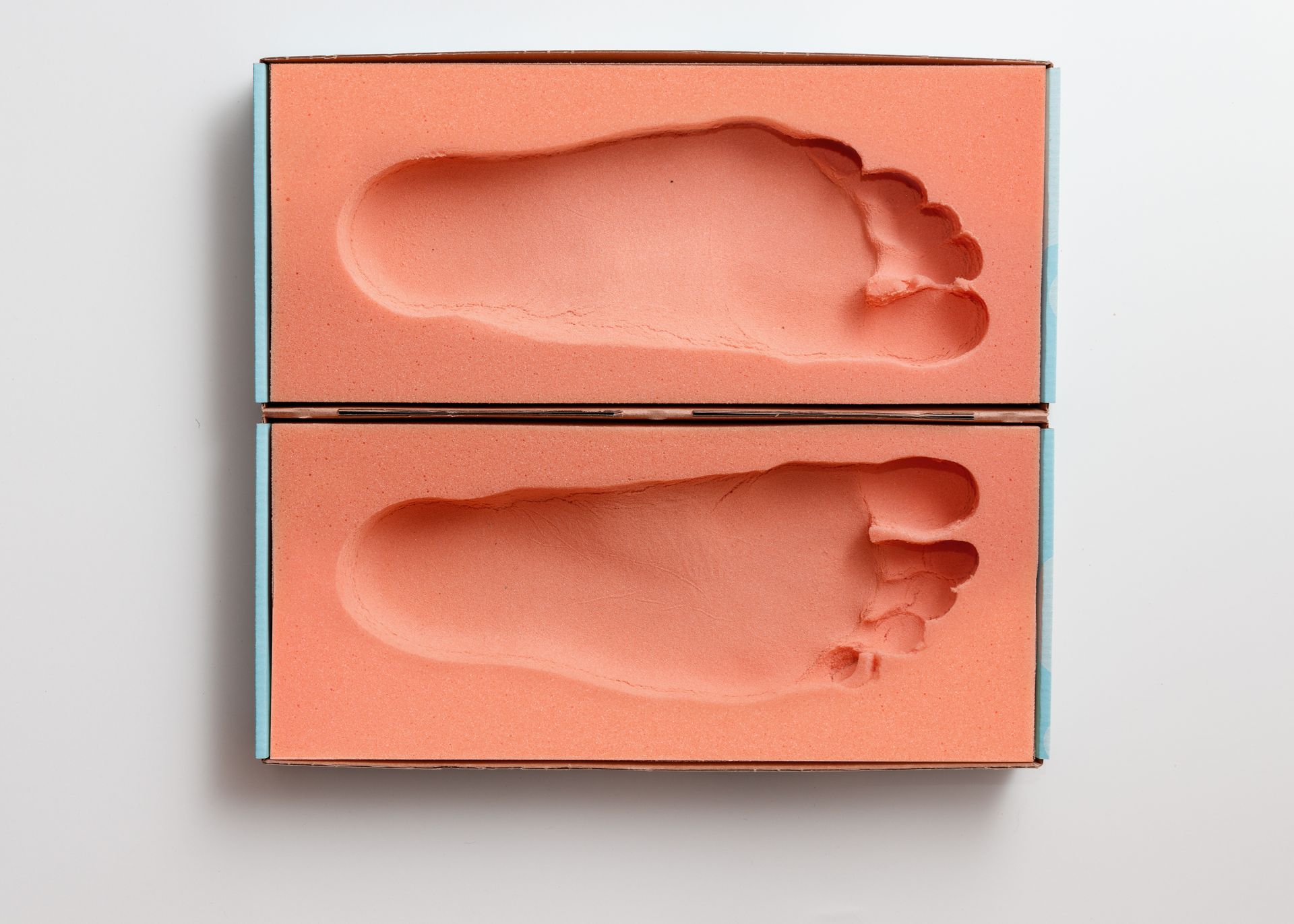
Custom Orthotics: Over-the-counter inserts provide some support, but custom orthotics are molded specifically to your feet. They correct biomechanical issues, support your arches, and redistribute pressure evenly across your feet.
Regular Stretching: Stretch your calves, Achilles tendon, and plantar fascia several times throughout the day, not just in the morning. Consistency is key.
Strengthen Your Feet: Exercises like toe curls, marble pickups, and towel scrunches strengthen the small muscles in your feet that support your arches.
Weight Management
If you're carrying extra weight, every pound puts additional stress on your feet. Losing even 5 to 10 pounds can significantly reduce foot pain.
Ice and Anti-Inflammatory Measures
At the end of the day, roll your foot over a frozen water bottle for 10 to 15 minutes. This reduces inflammation and provides relief. Over-the-counter anti-inflammatory medications like ibuprofen can help, but they're not a long-term solution.
When to See a Podiatrist
Morning foot pain isn't something you should just accept or try to manage indefinitely on your own. See a podiatrist if:
- Your pain lasts more than a few weeks despite home treatment
- The pain is severe or getting worse
- You have swelling, redness, or warmth in your foot
- You can't bear weight on your foot
- You have diabetes or circulation problems
- Home remedies aren't providing relief
- Your pain interferes with daily activities
- You notice numbness or tingling
Early intervention prevents acute problems from becoming chronic conditions. What might be easily treated with stretching, orthotics, and minor modifications now could require more aggressive treatment (or even surgery) if left untreated.
Professional Treatment Options
At Family Foot and Ankle, we offer comprehensive treatment for morning foot pain based on the underlying cause.
Conservative Treatments
- Physical therapy: Targeted exercises and stretches to address your specific condition
- Custom orthotics: Prescription devices that correct biomechanical problems and provide proper support
- Immobilization: Walking boots or braces for conditions like stress fractures
- Medication: Prescription anti-inflammatories or other medications when appropriate
- Injection therapy: Corticosteroid injections for severe inflammation
Advanced Treatments
For cases that don't respond to conservative care:
- Extracorporeal shock wave therapy (ESWT): Sound waves that stimulate healing
- Platelet-rich plasma (PRP) therapy: Uses your body's own healing factors
- Minimally invasive procedures: Targeted treatments for specific conditions
- Surgery: Reserved for severe cases that haven't responded to other treatments
Our board-certified podiatrists, Dr. Sheila Noroozi and Dr. Shabana Ali, will develop a personalized treatment plan based on your specific diagnosis, lifestyle, and goals.
Prevention: Keeping Morning Foot Pain Away
Once you've resolved your morning foot pain, these strategies help prevent it from returning:
Daily Habits
- Stretch your feet and calves every morning and evening
- Wear supportive footwear at all times, even at home
- Maintain a healthy weight
- Gradually increase activity levels rather than sudden jumps
- Replace worn-out shoes regularly (every 300 to 500 miles for athletic shoes)
Listen to Your Body
Don't ignore early warning signs. If you start noticing mild morning stiffness or discomfort, address it immediately with stretching and proper footwear. Catching problems early prevents them from becoming serious.
Regular Check-Ups
If you have risk factors like diabetes, arthritis, or a history of foot problems, regular podiatric check-ups help catch issues before they cause pain. Preventive care is always easier and less expensive than treating advanced conditions.
Don't Accept Foot Pain as Normal
Waking up with foot pain might be common, but it's never normal. Your feet shouldn't hurt, especially after a full night's rest. Morning foot pain is your body's way of telling you that something needs attention.
Whether you're dealing with plantar fasciitis, arthritis, tight muscles, or another condition, treatment is available and effective. The sooner you address the problem, the faster you'll find relief and prevent long-term complications.
At Family Foot and Ankle in Ocala, we understand how morning foot pain affects your entire day. Our experienced team provides comprehensive diagnosis and treatment to get you back on your feet, pain-free. We offer same-day appointments when possible because we know foot pain can't wait.
Don't spend another morning hobbling to the bathroom in pain. Call us today at (352) 867-0024 or schedule your appointment online. Let's figure out what's causing your morning foot pain and create a treatment plan that gets you moving comfortably again!
FAQs About Morning Foot Pain
Is it normal for feet to hurt in the morning?
No, morning foot pain is not normal. While it's common, it usually indicates an underlying condition like plantar fasciitis, arthritis, or tight muscles that needs treatment. Healthy feet shouldn't hurt after a full night's rest.
Why does my heel hurt when I first wake up but gets better during the day?
This pattern is classic for plantar fasciitis. While you sleep, your plantar fascia tightens and begins healing in a shortened position. When you stand, it stretches suddenly, causing sharp pain. As you walk, the tissue warms up and loosens, reducing the pain. This doesn't mean the problem is gone, just that your body is temporarily adapting.
How can I stop my feet from hurting when I get out of bed?
Try stretching before you stand up. Use a towel to gently pull your toes toward you, do ankle circles, and flex your feet. Wear supportive slippers or house shoes immediately. Consider night splints that keep your foot flexed while you sleep. However, these are temporary solutions. If pain persists, see a podiatrist to address the underlying cause.
Can dehydration cause morning foot pain?
While dehydration can cause muscle cramps and general discomfort, it's rarely the primary cause of morning foot pain. However, staying well-hydrated supports overall tissue health and can help reduce inflammation. If you're experiencing persistent morning foot pain, the cause is more likely plantar fasciitis or another structural issue.
Will stretching before bed prevent morning foot pain?
Evening stretching can help, but it's not a complete solution. Stretching your calves and feet before bed keeps tissues more flexible, which may reduce morning stiffness. However, if you have an underlying condition like plantar fasciitis, you'll need more comprehensive treatment including proper footwear, daytime stretching, and possibly custom orthotics.
How long does morning foot pain last each day?
For most people with plantar fasciitis or similar conditions, the sharp morning pain lasts 5 to 15 minutes as you walk around and your tissues warm up. However, you may continue to feel some discomfort throughout the day, especially after periods of rest or at the end of a long day on your feet.
Can wearing socks to bed help with morning foot pain?
Socks alone won't solve morning foot pain, but they can help if you use night splints (which work better with socks to prevent rubbing). Regular socks don't provide the structural support needed to prevent your plantar fascia from tightening overnight.
FAQs About Family Foot & Ankle
Do you treat plantar fasciitis and heel pain?
Yes! Plantar fasciitis and heel pain are among the most common conditions we treat. We offer comprehensive treatment options including stretching programs, custom orthotics, physical therapy, medication, injection therapy, and advanced treatments like shock wave therapy. Most patients see significant improvement with conservative treatments.
Can I get same-day treatment for foot pain?
We make every effort to accommodate same-day appointments for patients experiencing acute pain. Call our office at (352) 867-0024 and let us know you're dealing with urgent foot pain. We understand that you need relief quickly.
Will I need surgery for morning foot pain?
The vast majority of patients with morning foot pain respond well to conservative treatments and never need surgery. We always start with non-invasive options like stretching, orthotics, physical therapy, and other conservative measures. Surgery is reserved only for severe cases that haven't improved after several months of conservative treatment.
Do you make custom orthotics in your office?
Yes! We create custom orthotics specifically molded to your feet. We'll take precise measurements and impressions to ensure your orthotics provide optimal support and correction for your specific foot structure and condition. Custom orthotics are much more effective than over-the-counter inserts for treating conditions like plantar fasciitis.
What should I bring to my appointment?
Bring the shoes you wear most often, especially any that seem to cause or worsen your pain. Also bring a list of your current medications, any previous X-rays or medical records related to your foot problem, and your insurance card. Wearing shorts or pants that can be easily rolled up helps us examine your feet and lower legs thoroughly.
How long will it take to diagnose my morning foot pain?
In most cases, we can diagnose the cause of your morning foot pain during your first visit through physical examination and discussion of your symptoms. We have X-ray capabilities in our office, so if imaging is needed, we can often provide a complete diagnosis the same day. More complex cases might require additional testing, but we'll explain everything clearly.
Ready to Stop Waking Up in Pain?
Don't let morning foot pain control your life. Contact Family Foot and Ankle today at (352) 867-0024 or schedule your appointment online. Our Ocala podiatrists will identify the cause of your pain and create a personalized treatment plan to get you out of bed pain-free. You deserve mornings without foot pain!
Disclaimer: The information provided on this blog is for general informational purposes only and is not intended as, and should not be considered, medical advice. All information, content, and material available on this blog are for general informational purposes only. Readers are advised to consult with a qualified healthcare professional for medical advice, diagnosis, or treatment. The author and the blog disclaim any liability for the decisions you make based on the information provided. Always seek the advice of your physician or other qualified health provider with any questions you may have regarding a medical condition.